


Injection Molding in PVC
PVC is the third most widely used plastic, offering a well-balanced combination of mechanical strength, chemical resistance, and weatherability. It performs reliably in both indoor and outdoor applications, maintains good toughness across a wide temperature range, and adapts well to various formulations such as rigid, flexible, and reinforced grades.
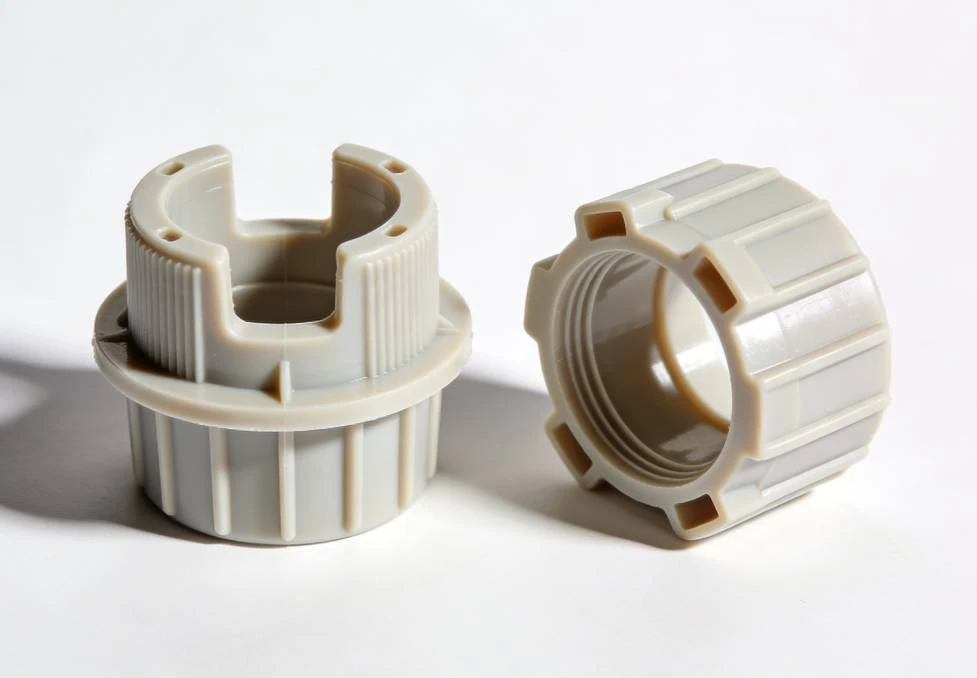
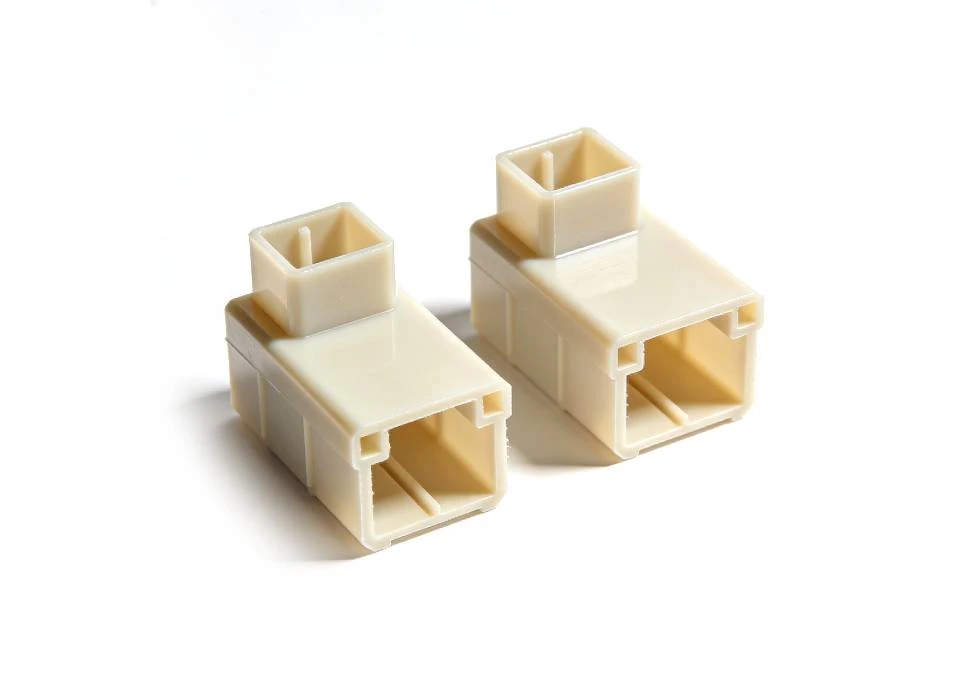
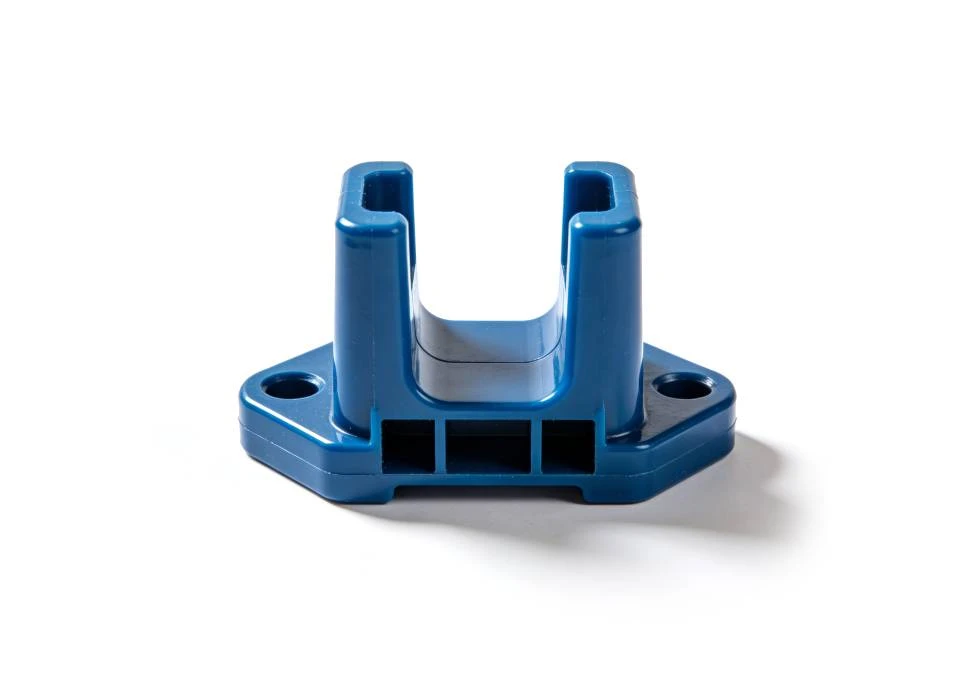
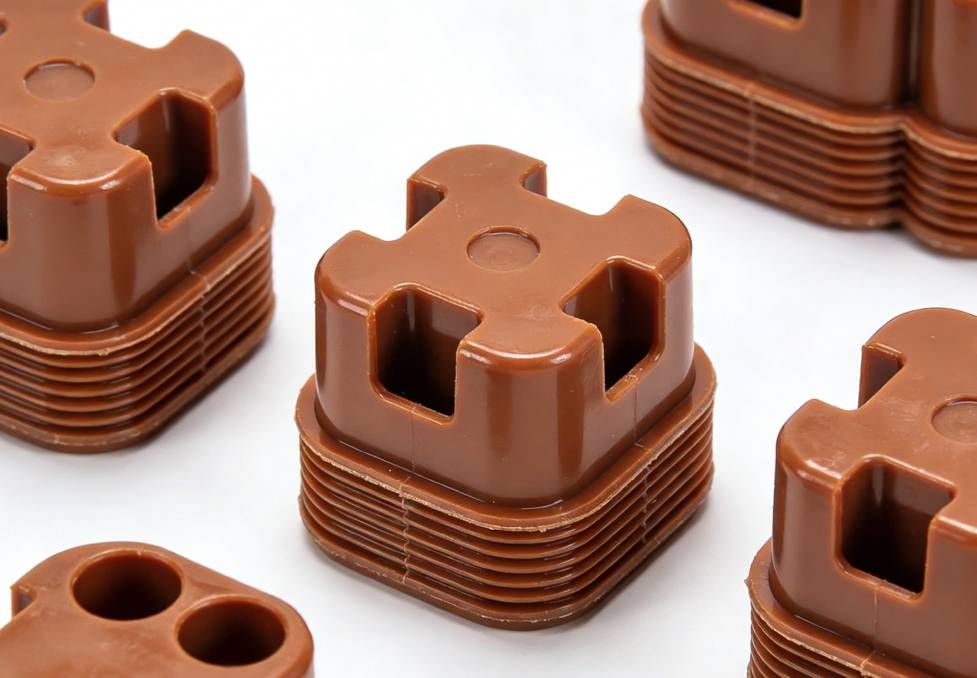
Words Are Good.
Examples Are Better.
|
Material |
Characteristics |
Technical Information |
Applications |
|
Polyvinyl Chloride (PVC) |
+ Good chemical resistance, low cost, and versatility |
Shrinkage: |
Pipes, electrical cable insulation, inflatable products |
|
+ Easily molded into a variety of shapes and sizes |
|||
|
- Not as strong as other materials such as ABS or PC |
|||
|
- Can release harmful fumes when heated or burned, so proper ventilation and safety precautions are necessary when working with this material |
How To Work With Us
Clear Steps. Smooth Cooperation.
1
Send Your Inquiry
To Us via email
Please email us your 3D file or product sample, with your requirements.
We can accepte the following file types:
- ● SolidWorks (.sldprt)
- ● ProE (.prt)
- ● IGES (.igs)
- ● STEP (.stp)
- ● ACIS (.sat)
- ● Parasolid (.x_t or .x_b)
- ● .stl files
- ● DWG
- ● DXF
2
Quote & Analysis
Your Design
You'll receive an quote shortly, and we'll send you DFM analysis if necessary.
Our technical manager will analysis your design and put our manufacturing suggestions, help you to develop and evaluate new products quickly, economically and with less risk, lower your overall cost.
3
Order Confirmation, Manufacturing Begins
We'll start manufacturing process, We also offer assembly and surface finish.
- ● Anodizing
- ● Black Oxide
- ● Bead Blasting
- ● Zinc Plating
- ● Powder Coating
- ● Zinc Plating
- ● Nickel Plating
- ● Passivation
- ● Electropolishing
- ● Electroless Nickel Plating
- ● Other Custom Finishes
4
Parts are shipped!
We are fully capable of delivering
products to your warehouse by sea or air.
PVC Injection Molding Manufacturer / Factory / Supplier-Definitive Guide
Contents
1.Advantages of PVC Injection Molding
2.Applications of PVC Molded Parts
3.Tips for Better Surface Finish
1. Advantages of PVC Injection Molding
Excellent chemical resistance and strong weatherability
Good toughness with stable mechanical performance
Flame-retardant properties and reliable dimensional stability
PVC injection molding is widely used in construction, electrical components, piping systems, medical products, and industrial equipment.
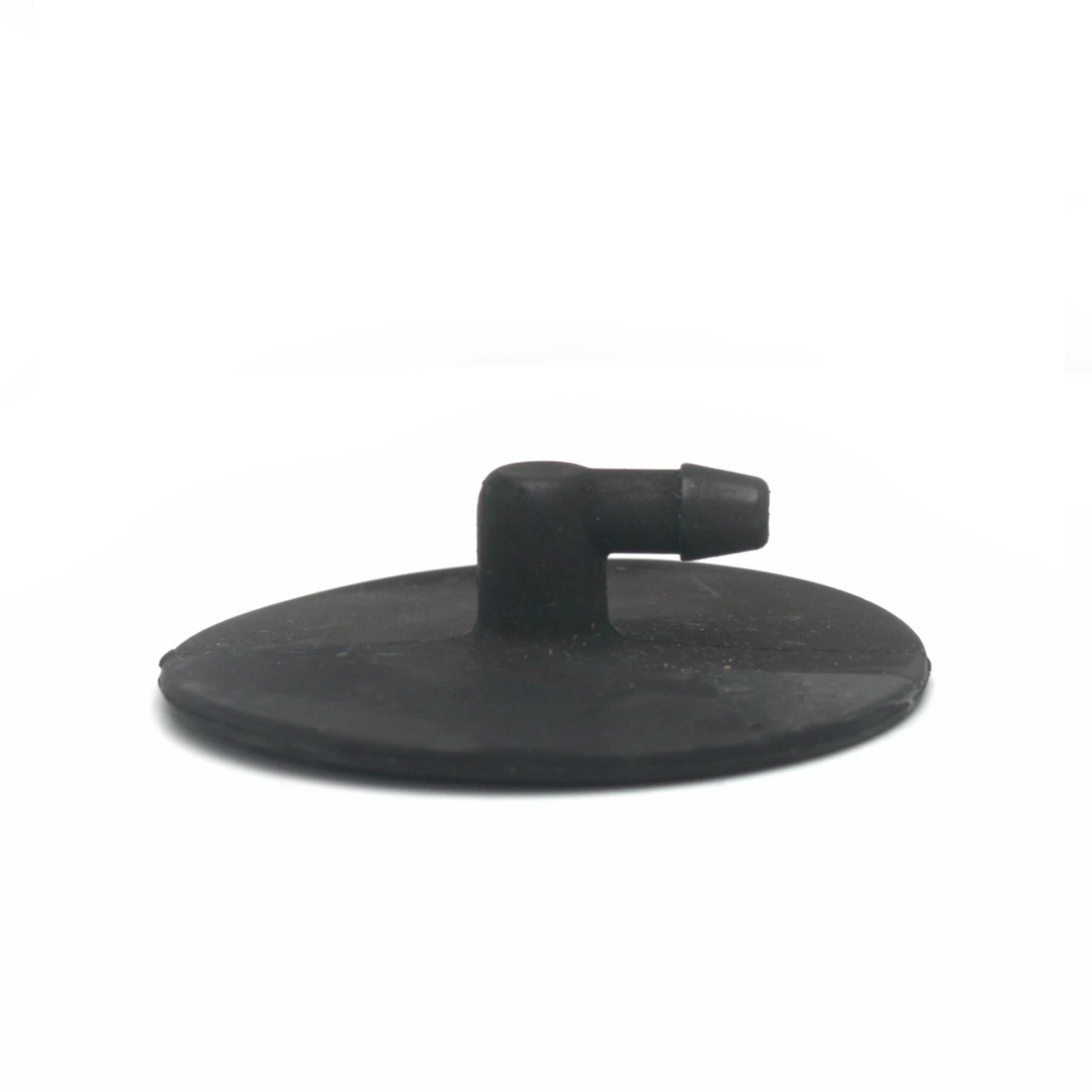
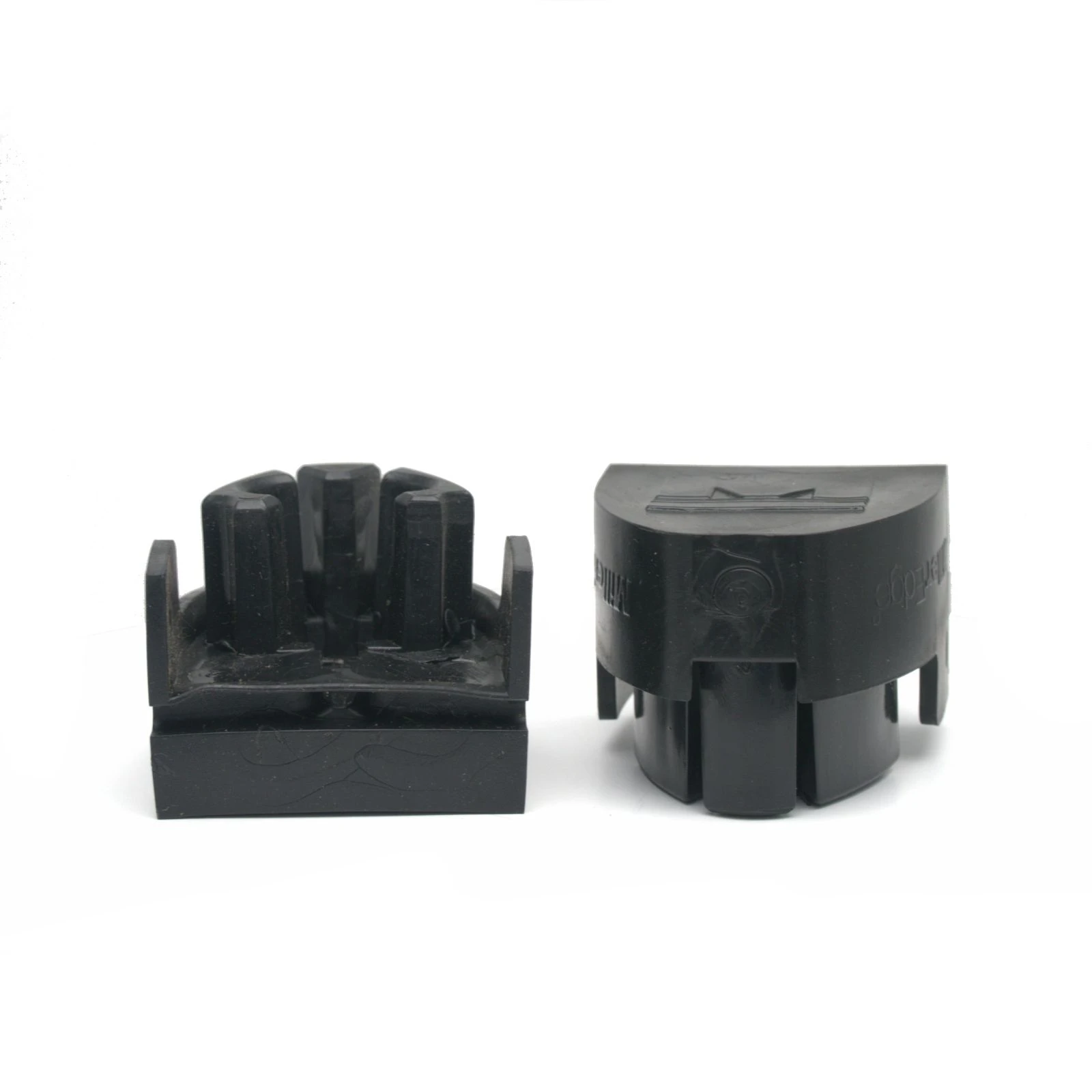
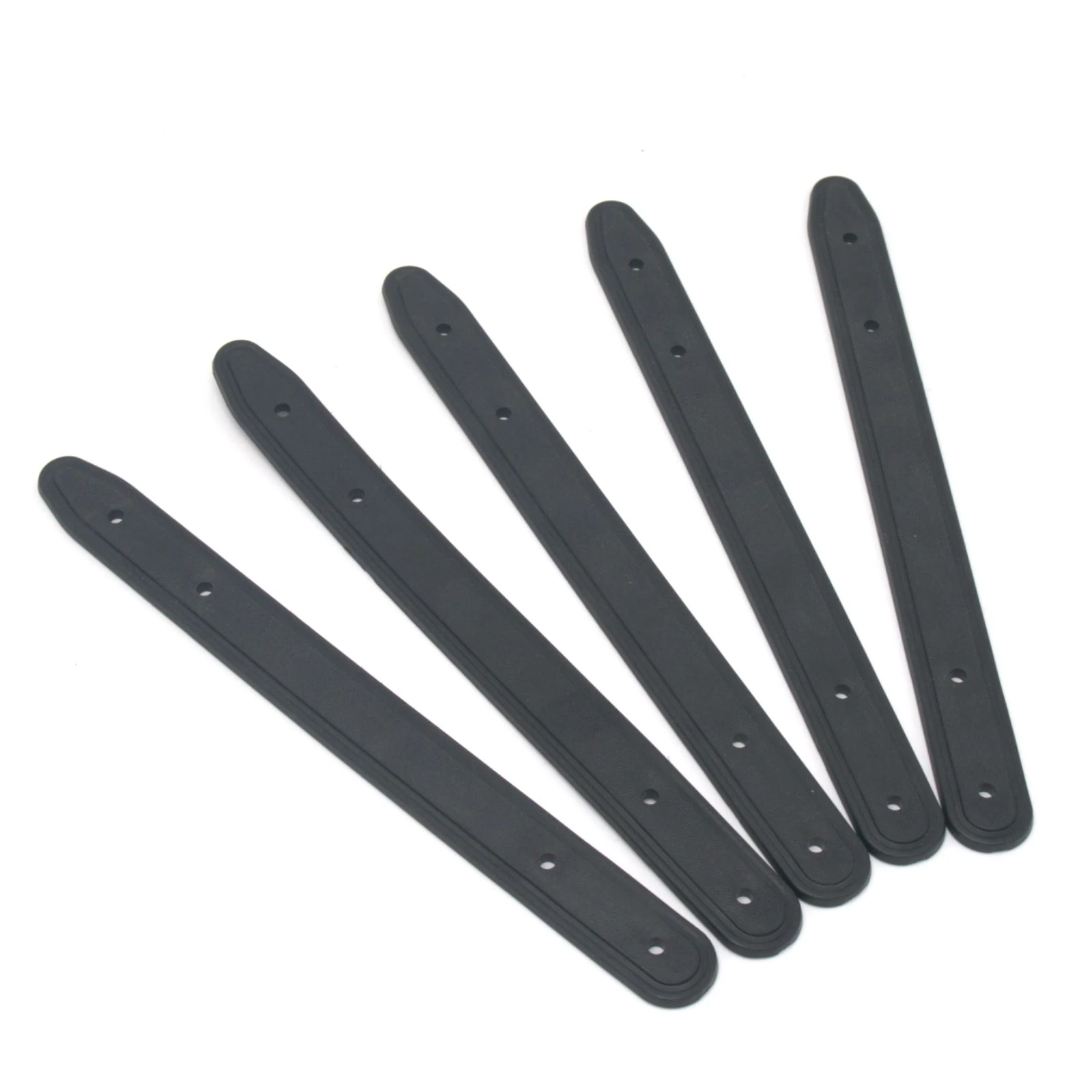
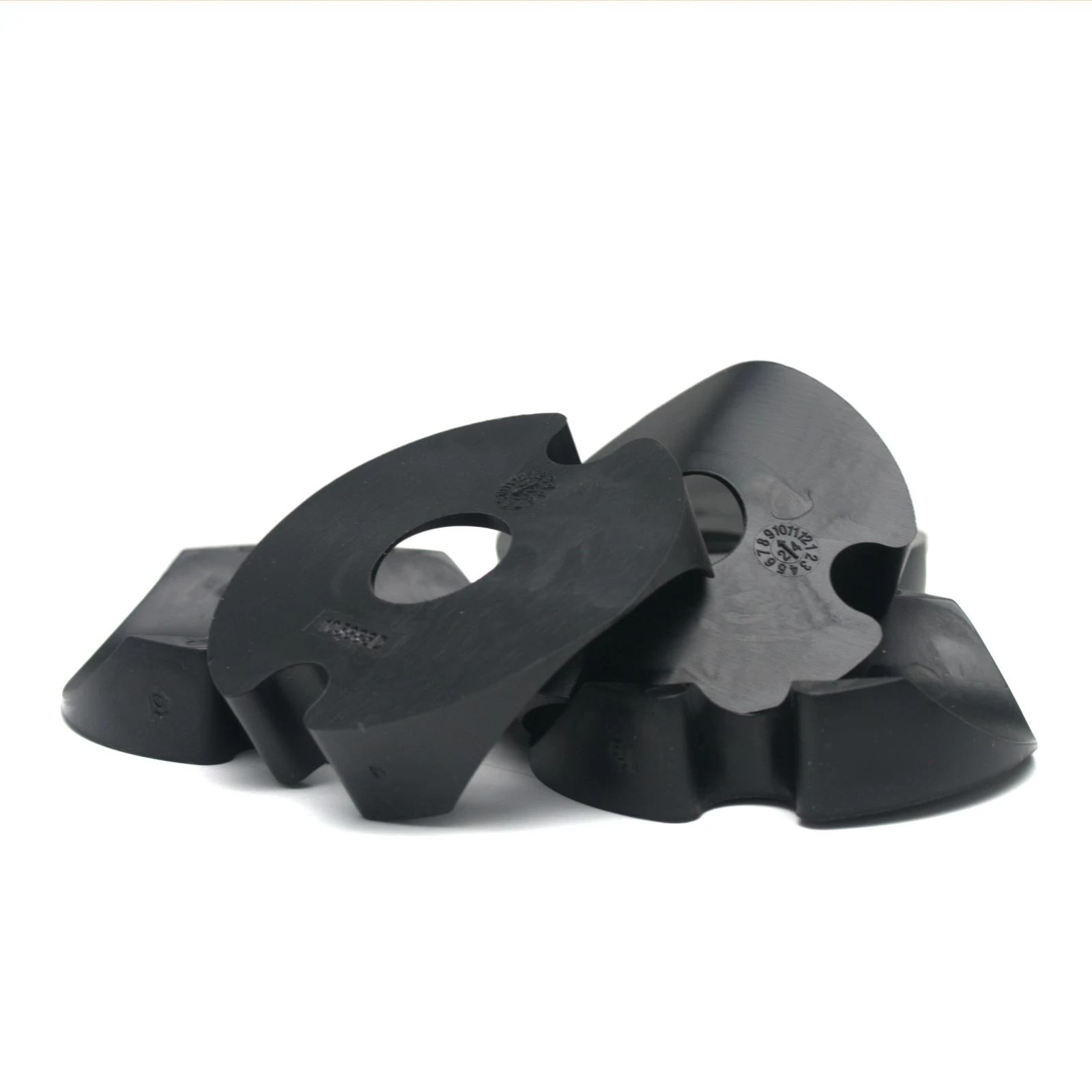
We have produced PVC molded components for:
Mechanical equipment: customized PVC components and functional parts tailored for diverse industrial applications.

2. Application Fields of PVC Injection Molding
Automotive: cable insulation, sealing components, interior trims, protective sleeves
Electrical Appliances: connector housings, insulation parts, switch components
Consumer Products: water pipe joints, garden fittings, protective covers
3. How to Achieve a Good Surface Finish for PVC Injection Molded Parts
The appearance of PVC parts depends heavily on mold condition, temperature control, and processing stability. Since PVC has narrow processing temperature windows and is prone to thermal decomposition, precise control and proper formulation are essential.
3.1 Mold Quality
Cavity finish: Scratches, pits, or rough surfaces easily appear on glossy PVC parts. Cavities are polished or chrome-plated to prevent defects.
Cleanliness: PVC decomposition residues may cause burn spots. Regular and thorough cleaning is necessary.
Draft angle: Adequate draft prevents drag marks, which are more noticeable on PVC parts due to their relatively soft surface.
Venting system: Poor venting leads to burn marks or black spots because PVC decomposes quickly at high temperature. Venting grooves and pins are optimized.
Gate and runner design: Smooth transitions and appropriate gate size reduce shear heat, lowering the risk of PVC degradation.
3.2 Molding Parameters
Injection speed: Too fast increases shear heat and may cause yellowing; too slow may result in flow lines. Balanced speed is crucial.
Cooling system: Uniform cooling minimizes deformation, especially for rigid PVC components.
Holding pressure & time: Proper settings help avoid sink marks and maintain dimensional stability.
Melt temperature: PVC has a strict temperature limit; excessive heat can cause black spots, yellowing, or fumes. We maintain a narrow and safe temperature range.
3.3 Raw Materials
Granule uniformity: Consistent particle size ensures stable melting and reduces surface defects.
Moisture content: PVC absorbs little moisture, but pre-drying may be required for certain formulations to avoid bubbles.
Additive and colorant dispersion: Poor dispersion can cause streaks, uneven gloss, or color inconsistency. We ensure uniform mixing.
Impurities: Even minor contaminants can cause black dots due to PVC's thermal sensitivity. Materials are kept clean and screened.
Recycled content: Excess recycled PVC may increase brittleness or reduce surface quality. Ratio is strictly controlled.
4.Best Parameters for PVC Injection Molding
4.1 Key Properties
Moisture Sensitivity: PVC is not highly hygroscopic, but slight drying (60–70 °C, 1 hour) helps avoid bubbles for certain grades.
Flow Behavior: PVC has a narrow processing window and is shear-sensitive; low shear and moderate pressure ensure stable filling without degradation.
Shrinkage Rate: 0.2–0.6% (much lower than PP/PE), allowing high dimensional accuracy.
Machine Type: Screw-type machines with temperature-controlled feeding zones are recommended to avoid overheating.
Injection Volume: Ideal usage is 50–70% of machine capacity to prevent excessive residence time, which may cause material degradation.
Runner Design:
- Main runner: ≤100 mm
- Sub-runner: 4–8 mm
- Designed to reduce shear heat and maintain smooth flow.
Ejection Force: Should be moderate; PVC parts may deform if ejected too forcefully, especially soft PVC.
Post-Treatment: For rigid PVC parts, post-annealing at 60–80 °C for 1 hour improves dimensional stability and reduces internal stress.
4.2 Typical Molding Parameters
The molding parameters for PVC parts vary depending on the grade (rigid or flexible), stabilizer system, part thickness, and required surface finish. Since PVC has a narrow processing window and is sensitive to overheating, precise temperature and shear control are essential to prevent yellowing, burn marks, or degradation.
|
Parameter |
Rigid PVC (RPVC) |
Flexible PVC (FPVC) |
Heat-resistant / High-stability PVC |
Notes |
|
Barrel Temperature |
160–185 ℃ |
150–175 ℃ |
165–190 ℃ |
Must remain below decomposition temp; avoid local overheating |
|
Nozzle Temperature |
165–180 ℃ |
155–170 ℃ |
170–185 ℃ |
Usually slightly lower to prevent material drooling and degradation |
|
Mold Temperature |
20–40 ℃ |
20–40 ℃ |
30–50 ℃ |
Higher mold temperature improves gloss and dimensional stability |
|
Injection Pressure |
70–120 MPa |
60–100 MPa |
80–130 MPa |
Higher pressure needed due to higher viscosity and low flowability |
|
Back Pressure |
5–10 MPa |
3–8 MPa |
5–12 MPa |
Low back pressure to reduce shear heat and avoid degradation |
These parameters serve as general guidelines. Fine-tuning is required based on part thickness, stabilizer formulation, screw design, and runner layout to achieve optimal surface finish, mechanical strength, and color stability without risking PVC decomposition.